PEPTIDE RESEARCH
BPC-157 - Research Peptide
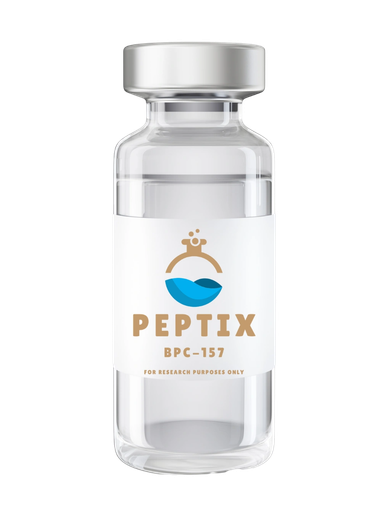
BPC‑157 (Body Protection Compound‑157) is a synthetic peptide derived from a naturally occurring protein found in gastric juice, known for its role in tissue repair and cellular regeneration. Composed of a chain of 15 amino acids, it has been studied for its influence on healing processes, including muscle, tendon, and gut integrity. BPC‑157 is water‑soluble and typically appears as a white, colorless compound in research settings.
DSIP- Research Peptide
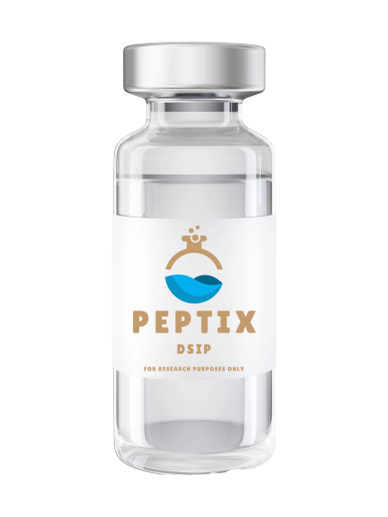
DSIP (Delta Sleep-Inducing Peptide) is a naturally occurring nonapeptide first identified in the brain, known for its association with sleep regulation and circadian rhythms. Composed of nine amino acids, it has been studied for its role in stress response and neuroendocrine balance. Unlike metal-binding peptides, DSIP is structurally simple, water-soluble, and typically appears as a white, colorless compound in research settings.
GHK-Cu - Research Peptide
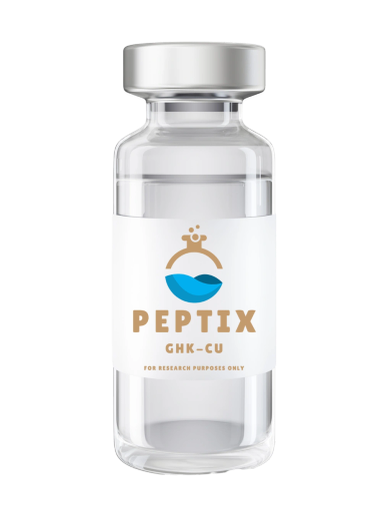
GHK‑Cu, a naturally occurring tripeptide first identified in human plasma, is known for its ability to bind copper ions, giving it names such as Copper Peptide or Copper Tripeptide‑1. Composed of three amino acids, it has been studied for its role in skin remodeling, wound healing, and cellular regeneration. The presence of copper (Cu) gives GHK‑Cu a characteristic blue tint, making it easily distinguishable in research settings.
IGF-1 LR3 (Long arginine 3-IGF-1) - Research Peptide
-Photoroom.png/:/cr=t:0%25,l:3.13%25,w:93.75%25,h:100%25/rs=w:388,h:517.3333333333334,cg:true)
Long arginine 3-IGF-1 (IGF-1 LR3), offered at 1mg, is a high-quality specialised research peptide developed for advanced scientific exploration in biochemistry and related fields. This product is ideal for laboratory settings where precision and reliability are paramount.
KLOW 80mg - Research Peptide Blend
KLOW 80mg - Research Peptide Blend
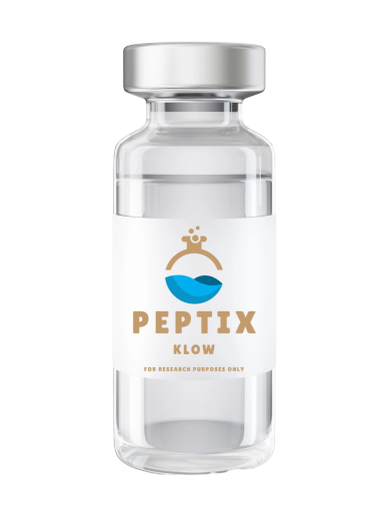
Klow peptide is a multi-peptide research formulation composed of GHK-Cu, KPV, BPC-157, and TB-500 in specific ratios (t50 mg GHK-Cu and 10 mg each of KPV, BPC-157, and TB-500) for laboratory research purposes. This blend is designed to provide complementary effects across tissue remodeling, angiogenesis, cell migration, and inflammation modulation.
MOTS-C- Research Peptide
KLOW 80mg - Research Peptide Blend
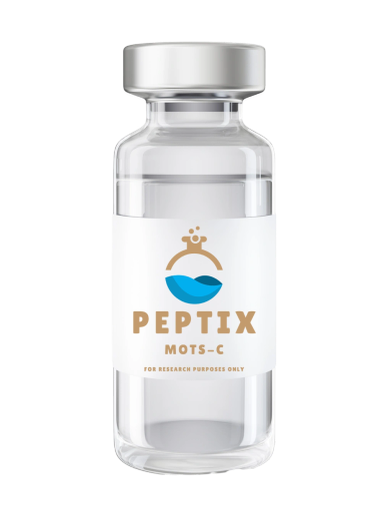
MOTS‑c (Mitochondrial Open Reading Frame of the 12S rRNA‑c) is a naturally occurring peptide encoded within mitochondrial DNA, known for its role in cellular metabolism and energy regulation. Composed of 16 amino acids, it has been studied for its influence on metabolic pathways, including glucose utilization and stress adaptation. Unlike copper-binding peptides, MOTS‑c is structurally simple, water-soluble, and typically appears as a white, colorless compound in research settings.
NAD+ - Research Compound
Tesamorelin – Research Peptide
TB-500 – Research Peptide
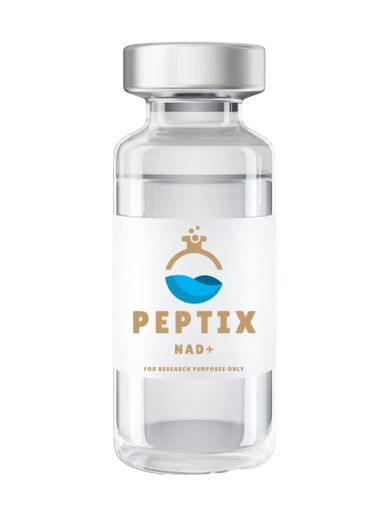
NAD⁺ (Nicotinamide Adenine Dinucleotide) is a naturally occurring coenzyme found in all living cells, known for its essential role in energy production and cellular metabolism. Composed of two nucleotides, it functions as a key molecule in redox reactions and mitochondrial activity. NAD⁺has been widely studied for its involvement in aging, DNA repair, and metabolic regulation. It is water‑soluble and typically appears as a white, colorless compound in research settings.
TB-500 – Research Peptide
Tesamorelin – Research Peptide
TB-500 – Research Peptide
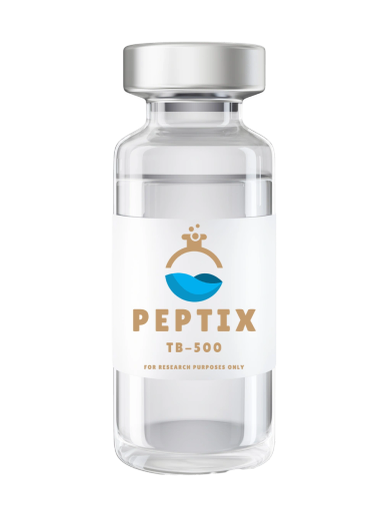
TB‑500 is a synthetic peptide derived from thymosin beta‑4, a naturally occurring protein found in human cells, known for its role in tissue repair and cellular migration. Composed of a short chain of amino acids that mimic a key active region of thymosin beta‑4, it has been studied for its influence on wound healing, inflammation, and muscle recovery. TB‑500 is water‑soluble and typically appears as a white, colorless compound in research settings.
Tesamorelin – Research Peptide
Tesamorelin – Research Peptide
-Photoroom.png/:/rs=w:388,h:517.3333333333334,cg:true,m/cr=w:388,h:517.3333333333334)
Tesamorelin is a synthetic analog of growth hormone‑releasing hormone (GHRH), designed to stimulate the natural production of growth hormone in the body. Composed of a modified chain of amino acids for enhanced stability, it has been studied for its role in regulating fat metabolism and endocrine function. Tesamorelin is water‑soluble and typically appears as a white, colorless compound in research settings.
Legal and Safety Information:
Legal and Safety Information:
Peptix provide peptides strictly for scientific and research use. Please note that our peptides, are not designed for human consumption or clinical application.